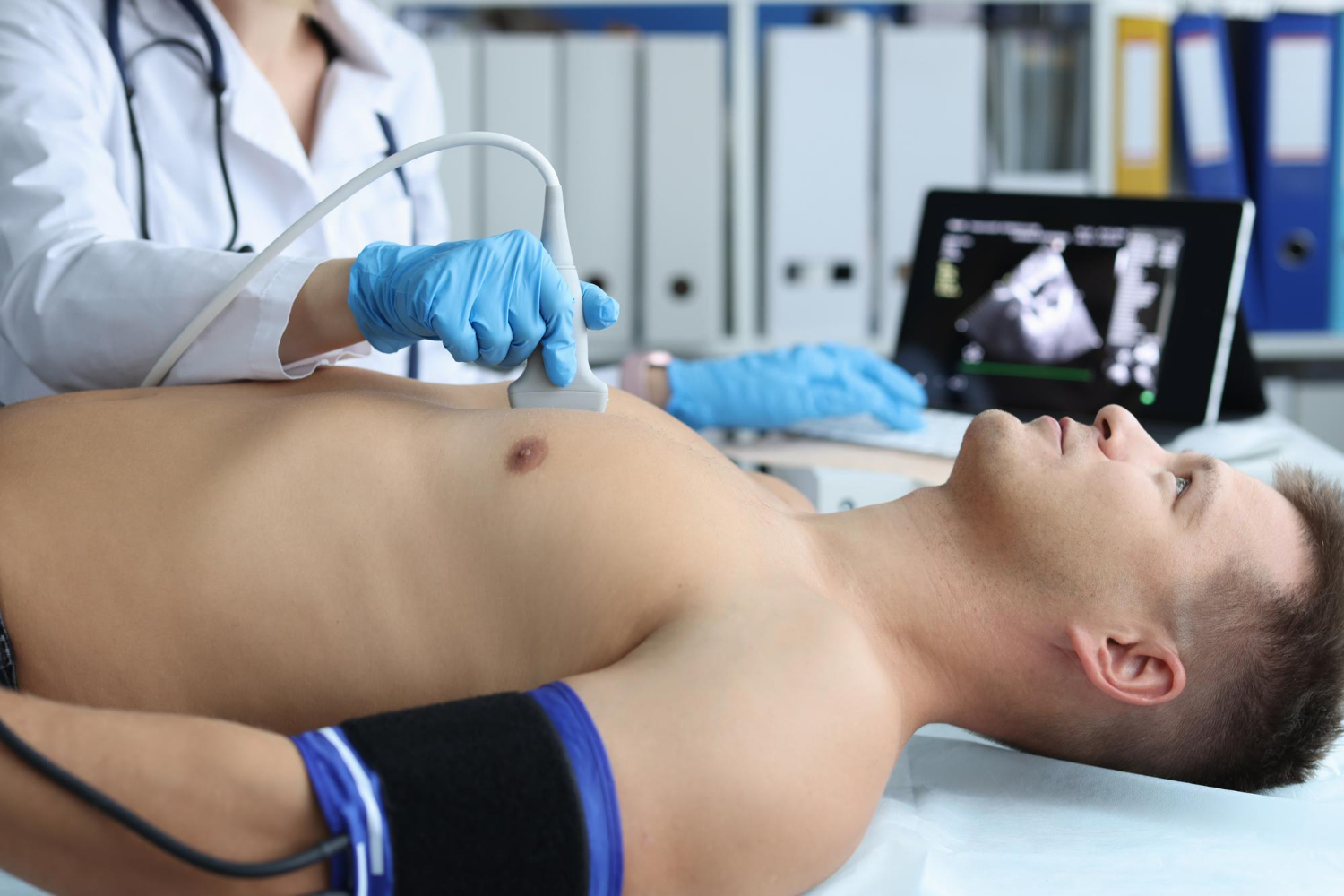
Advanced Ultrasound Imaging of the Heart
Echocardiography (ECHO) is a safe, non-invasive ultrasound test that provides detailed images of the heart’s structure and function. It helps evaluate heart chambers, valves, blood flow, and overall cardiac performance, making it an essential tool for diagnosing and monitoring heart conditions.
When is an ECHO Recommended?
Your cardiologist may advise an ECHO if you have:
- Chest pain or shortness of breath
- Heart murmurs
- High blood pressure
- Heart failure symptoms
- Suspected valve disease
- Previous heart attack or cardiac condition
What Can an ECHO Detect?
Echocardiography helps diagnose:
- Heart valve disorders
- Heart failure
- Congenital heart defects
- Cardiomyopathy
- Pericardial diseases
- Abnormal heart chamber function
Benefits of Echocardiography
- Completely non-invasive and painless
- No radiation exposure
- Real-time visualization of heart function
- Accurate assessment of valves and blood flow
- Helps guide treatment decisions
Comprehensive Heart Assessment
ECHO provides valuable information about your heart’s health and function, helping detect problems early and ensuring timely, effective treatment for better cardiovascular outcomes.