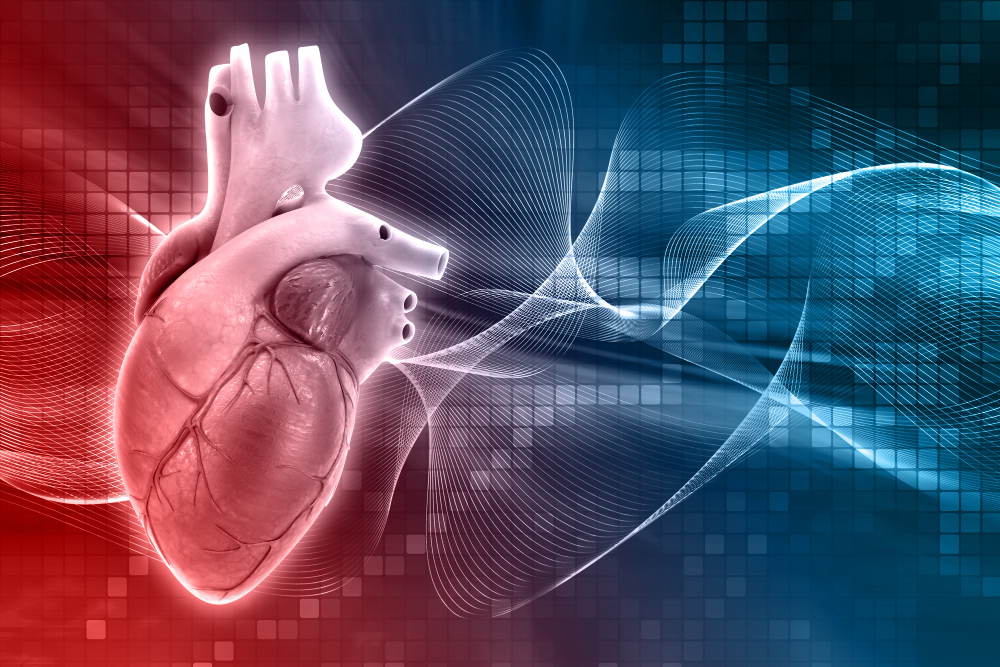
What is Coronary Angiography?
Coronary angiography is a special test that helps doctors see the blood vessels of your heart. During this test, a thin tube called a catheter is placed into a blood vessel. Then, a dye is injected so that the blood flow can be seen on X-ray images. This test is also known as an angiogram procedure. It is often used to check for heart blockages.
Why is Coronary Angiography Performed?
Doctors use coronary angiography to find out if your heart’s blood vessels are blocked or narrowed. Sometimes, this test helps guide treatment for chest pain or other heart problems. In many cases, it is the best way to get a clear picture of your heart’s health. For example, it can help decide if you need medicine, a stent, or surgery.
Symptoms and Signs That May Lead to Coronary Angiography
Not everyone needs this test. However, your doctor may suggest it if you have:
Sometimes, if you have risk factors like diabetes or high blood pressure, your doctor may be more likely to recommend this test.
How the Procedure Detects Heart Blockages
During the angiogram procedure, the dye makes your heart’s blood vessels visible on X-ray images. If there is a blockage, the dye will not flow smoothly. This helps your doctor see where the problem is and how severe it might be. As a result, the test is very helpful for cardiac diagnosis and planning treatment.
Preparation and What to Expect
Before the test, your doctor will explain the steps and answer your questions. Usually, you should:
On the day of the test, you will lie on a table. The doctor will clean and numb the area, often in your wrist or groin. Then, the catheter is gently inserted. You may feel some pressure, but most people do not feel pain. The test usually takes less than an hour.
Risks and Safety Considerations
Coronary angiography is generally safe. However, like any medical test, it has some risks. These may include:
Most people recover quickly and have no serious problems. Still, your doctor will discuss the risks and make sure the test is right for you.
Recovery and Aftercare
After the procedure, you will rest for a few hours. The staff will check your blood pressure and the catheter site. You may need to avoid heavy lifting for a day or two. If you notice swelling, pain, or bleeding, call your doctor right away. Most people can return to normal activities within a day.
Prevention and Lifestyle Tips
While coronary angiography helps detect heart blockages, it is important to keep your heart healthy. You can lower your risk by:
In the United States and around the world, heart disease is a leading cause of illness. However, healthy habits can make a big difference.
To sum up, coronary angiography is a safe and effective way to detect heart blockages. If you have symptoms or risk factors, talk to your doctor. Early diagnosis and treatment can protect your heart health.
Consult a cardiologist Madhusudhan Raikar for personalized advice about coronary angiography and heart health.