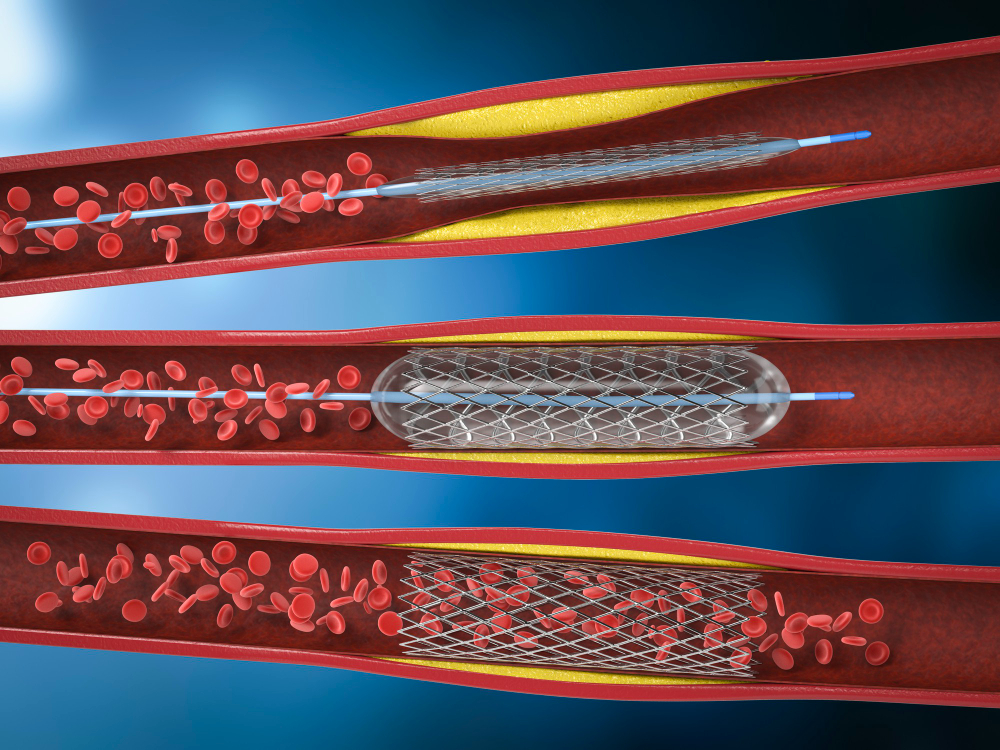
Balloon angioplasty for narrowed arteries is a common treatment for blocked or tight blood vessels. Doctors use this procedure to help blood flow better through your arteries. When arteries become narrow, your heart and body may not get enough oxygen. As a result, you might feel chest pain or get tired easily. Balloon angioplasty can quickly open these arteries and improve your health. In this blog, you will learn about the angioplasty procedure, its benefits, recovery after balloon angioplasty, and important tips for heart health.
What Is Balloon Angioplasty?
Balloon angioplasty is a simple medical procedure. Doctors use a thin tube with a small balloon at the tip. They guide this tube into your narrowed artery. Once in place, the balloon is gently inflated. This pushes the blockage aside and widens the artery. Because of this, blood can flow more easily. Balloon angioplasty is often used to treat heart arteries, but it can help other arteries too.
Symptoms and Causes of Narrowed Arteries
Narrowed arteries can cause many symptoms. However, some people may not notice any signs until the problem is serious. Common symptoms and risk factors include:
How Balloon Angioplasty Works
Before the angioplasty procedure, your doctor will explain each step. Usually, you will get medicine to help you relax. Here is what you can expect:
After the procedure, you will rest in a recovery area. Most people go home the same day or the next day. Because the procedure is quick, recovery after balloon angioplasty is often smooth.
Benefits and Risks
Balloon angioplasty offers many benefits. However, it also has some risks. Here are the main points to consider:
But, like any procedure, there are possible risks. These may include bleeding, infection, or damage to the artery. Rarely, the artery may become narrow again. Your doctor will discuss these risks with you before the procedure.
Recovery and Aftercare
Most people recover quickly after balloon angioplasty. Usually, you can return to normal activities within a week. However, your doctor may ask you to avoid heavy lifting for a few days. To help your heart stay healthy, follow these tips:
Because recovery after balloon angioplasty is usually fast, many people feel better soon after the procedure.
Prevention Tips
Although balloon angioplasty can help, it is best to prevent artery narrowing. Here are some practical tips:
With these steps, you can lower your risk of future artery problems.
When to Consult a Cardiologist
It is important to know when to seek help. Contact a cardiologist if you notice:
Early care can prevent serious problems. Therefore, do not wait if you have warning signs.
Consult a cardiologist at Sunshine Healthcare for personalized advice about balloon angioplasty for narrowed arteries.