Introduction
Blood clots in arteries can be dangerous. They may block blood flow to vital organs. Understanding the causes of blood clots in arteries helps you lower your risk. Early action can prevent serious health problems. This blog explains what causes these clots, risk factors, and how to prevent arterial blood clots.
What Are Blood Clots in Arteries?
Blood clots are clumps of blood that form when blood thickens. When these clots form in arteries, they can block blood flow. This blockage can lead to heart attacks or strokes. Arterial blood clots are also called arterial thrombosis. They need quick medical attention.
Main Causes of Blood Clots in Arteries
Several things can cause blood clots in arteries. Often, these causes are linked to damage or changes in the artery walls. For example, high cholesterol can harm arteries. Here are the main causes:
Common Risk Factors
Some people have a higher chance of developing blood clots in arteries. These risk factors for blood clots in arteries include:
How Blood Clots Form in Arteries
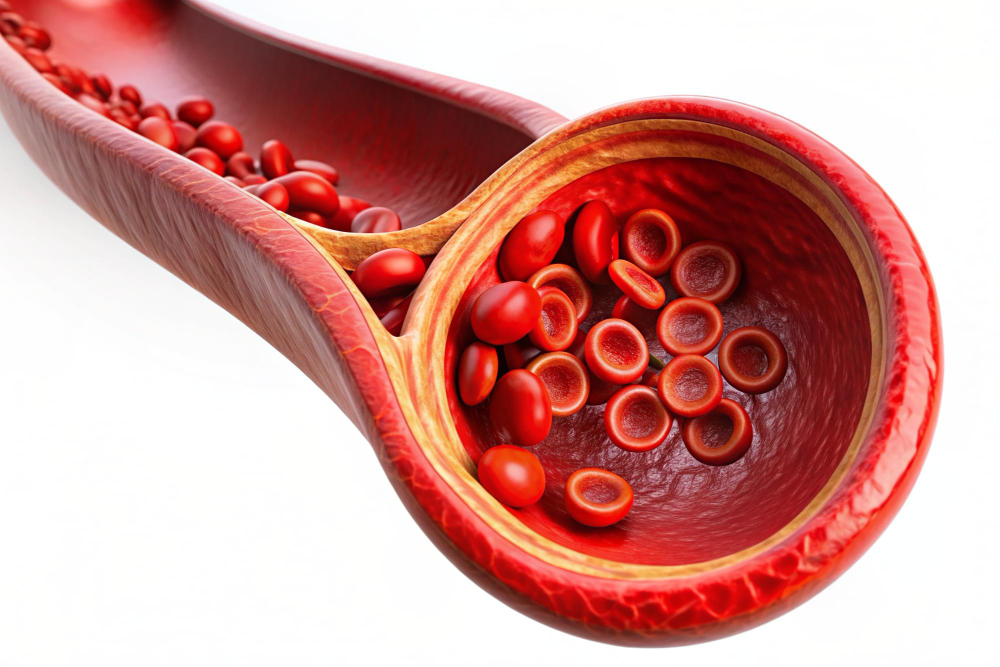
Usually, blood flows smoothly through arteries. However, when the artery wall is damaged, blood cells can stick together. Over time, a fatty deposit or plaque may form. If this plaque breaks open, blood tries to fix the damage by forming a clot. Sometimes, the clot grows and blocks the artery. This can stop blood from reaching the heart or brain. As a result, a heart attack or stroke may occur.
Prevention Tips and Lifestyle Guidance
You can lower your risk of arterial blood clots by making healthy choices. Here are some tips on how to prevent arterial blood clots:
Additionally, regular check-ups help catch problems early. Your doctor can guide you on the best steps for your health.
When to Seek Medical Help
Sometimes, blood clots in arteries cause sudden symptoms. For example, you may feel chest pain, shortness of breath, or weakness on one side of your body. If you notice these signs, seek medical help right away. Quick treatment can save your life.
In summary, knowing the causes of blood clots in arteries helps you take control. For personalized advice on preventing blood clots in arteries, consult Dr Madhusudhan Raikar at Sunshine Healthcare.