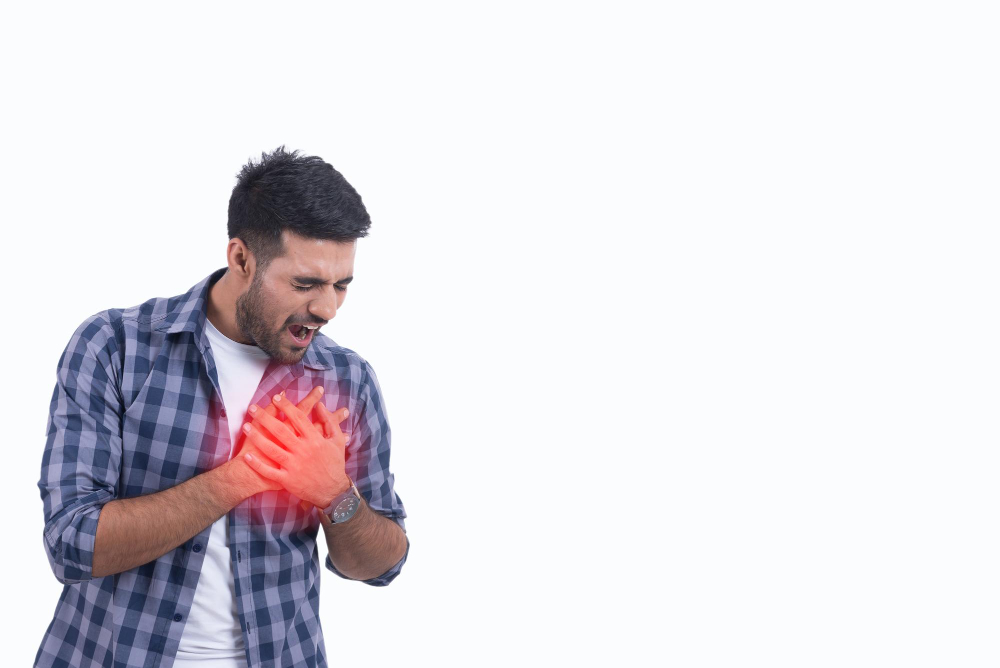
What Are Heart Defects?
Heart defects are problems with the heart’s structure. These issues can affect how blood flows through the heart. Some people are born with heart defects. These are called congenital heart defects. Others may develop heart defects later in life. Heart defects can be mild or severe. In many cases, they need medical care. Worldwide, heart defects are among the most common birth problems. According to the CDC, about 1 in 100 babies in the United States are born with a heart defect.
Common Symptoms of Heart Defects
Symptoms of heart defects can vary. Some people have no signs at first. Others may notice symptoms soon after birth or later in life. For example, children and adults may experience:
However, not everyone with a heart defect will have symptoms. Sometimes, doctors find heart defects during routine check-ups.
Causes and Risk Factors
There are many causes of heart defects. Most congenital heart defects happen as the baby’s heart forms during pregnancy. Often, the exact cause is unknown. Still, some risk factors can increase the chance of heart defects, such as:
In adults, heart defects may develop due to infections, heart damage, or aging. But, congenital heart defects remain the most common type.
How Heart Defects Are Diagnosed
Doctors use several methods to diagnose heart defects. First, they may listen to the heart with a stethoscope. If they hear unusual sounds, they may order more tests. Common tests include:
Sometimes, doctors use special tests for newborns. Early diagnosis helps improve outcomes for both children and adults.
Treatment Options for Heart Defects
Treatment for heart defects depends on the type and severity. Some mild defects may not need treatment. However, many heart defects require care from a cardiologist. Treatment options include:
For many people, early treatment leads to better heart health and quality of life.
Living with a Heart Defect: Lifestyle Tips
Many people with heart defects live full lives. Still, it is important to take care of your heart. Here are some tips for heart health:
With the right care, both children and adults with heart defects can thrive.
Preventing Heart Defects
Not all heart defects can be prevented. However, some steps may lower the risk, especially during pregnancy:
While prevention is not always possible, healthy habits can support heart health for both mother and baby.
Conclusion
In summary, heart defects are common and can affect people of all ages. Early diagnosis and proper treatment can help most people live healthy lives. If you have concerns about heart defects, consult a cardiologist at Sunshine Healthcare for personalized advice.