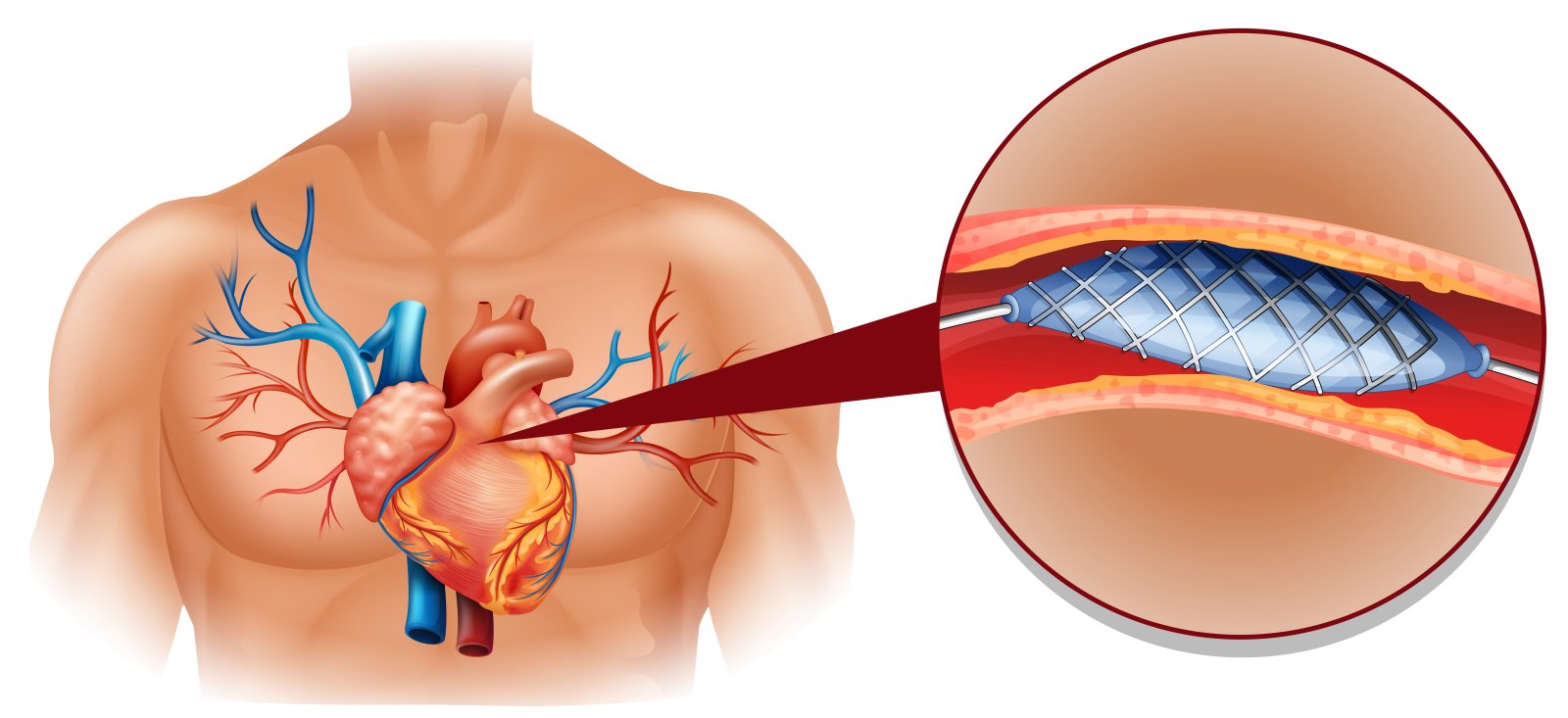
What Are Coronary Stents?
Coronary stents are tiny mesh tubes. Doctors place them inside heart arteries to help keep them open. When arteries get blocked, blood cannot flow well to the heart. As a result, you may feel chest pain or even have a heart attack. Coronary stents help restore blood flow and support better cardiac health. According to the American Heart Association, stents are a common way to treat blocked arteries.
Symptoms and Conditions Leading to Stent Placement
Many people do not know they have blocked arteries until symptoms appear. However, some signs can warn you early. For example, you may notice:
If you have these symptoms, you should see a doctor right away. Sometimes, doctors find blockages during tests for other heart problems.
Causes and Risk Factors for Blocked Arteries
Blocked arteries often develop over many years. Usually, fatty deposits called plaque build up inside the artery walls. Over time, this narrows the arteries and limits blood flow. Several risk factors can increase your chance of developing blockages. For instance:
Because these risks add up, it is important to manage them early.
Diagnosis: How Doctors Determine the Need for a Stent
Doctors use several tests to check for blocked arteries. First, they may order an electrocardiogram (ECG) to look at your heart’s rhythm. Next, they might use a stress test to see how your heart works during activity. In many cases, doctors use an angiogram. During this test, they inject dye into your arteries and take X-rays. This shows where blockages are and how severe they may be. If a blockage is serious, your doctor may suggest a heart stent procedure to restore blood flow.
Types of Coronary Stents
There are two main types of coronary stents. Each type works to keep arteries open, but they have some differences:
Sometimes, doctors may use other special stents, but these two are the most common. Your doctor will choose the best type for your needs.
The Stent Placement Procedure: What to Expect
Doctors usually perform the heart stent procedure in a hospital. First, they give you medicine to help you relax. Then, they insert a thin tube, called a catheter, into a blood vessel in your arm or leg. Next, they guide the catheter to the blocked artery. A small balloon at the tip inflates to open the blockage. After that, the doctor places the stent in the artery and removes the balloon. The stent stays in place to keep the artery open. Most procedures take about one to two hours. You may need to stay in the hospital overnight for observation.
Recovery and Aftercare
After a coronary stent procedure, you will rest in the hospital for a short time. Doctors will monitor your heart and check for any problems. Once you go home, you should follow your doctor’s instructions closely. For example:
Most people return to normal activities within a week. However, always check with your doctor before resuming exercise or work.
Lifestyle Tips and Prevention of Future Blockages
Even after getting a stent, you should protect your heart health. Therefore, making healthy lifestyle changes is important. Here are some tips:
With these steps, you can lower your risk of future blockages and improve your cardiac health.
Potential Risks and Complications
Coronary stents are generally safe, but like any procedure, they have some risks. For example, you may experience:
Because of these risks, it is important to follow your doctor’s advice and report any unusual symptoms right away. The CDC and WHO both recommend regular follow-up care after a heart stent procedure.
Conclusion: Take Charge of Your Heart Health
Coronary stents help restore blood flow to the heart and can save lives. However, they work best when combined with healthy habits and regular medical care. If you have symptoms of blocked arteries or concerns about your cardiac health, consult a cardiologist at Sunshine Healthcare for personalized advice. Early action can make a big difference.