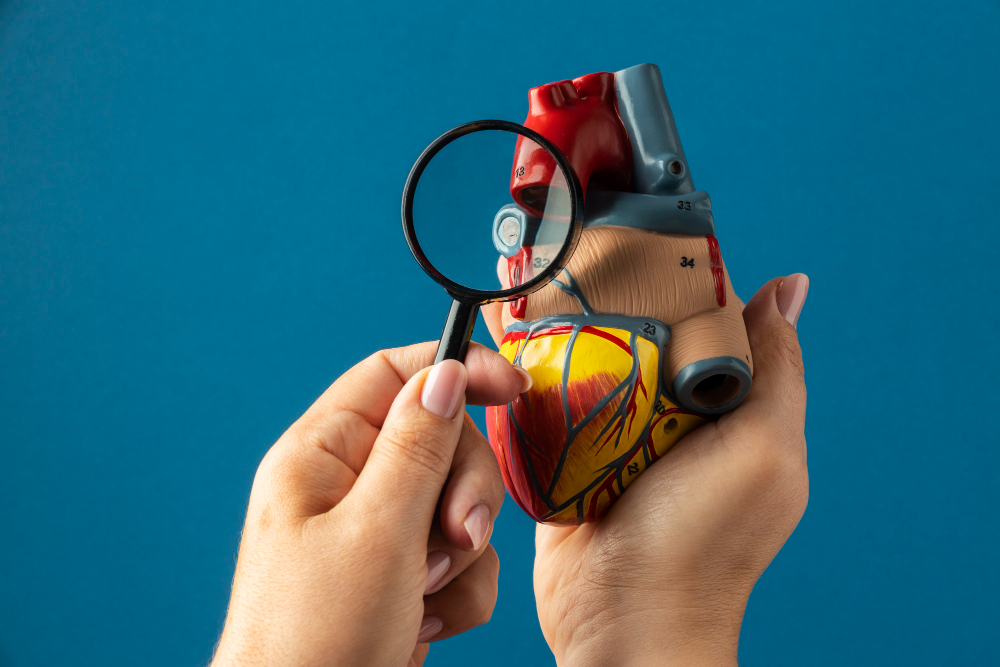
What is Heart Blockage?
Heart blockage happens when the blood vessels that supply your heart become narrow or blocked. These vessels are called arteries. When they get blocked, blood cannot flow well to your heart. This can lead to chest pain, heart attacks, or other heart problems. However, not all blockages cause clear signs right away.
Can You Have Heart Blockage Without Symptoms?
Yes, you can have heart blockage without symptoms. This is sometimes called “silent heart blockage” or “asymptomatic heart disease.” Many people do not feel any pain or warning signs. For this reason, it is important to know that heart problems can exist even if you feel fine.
Why Do Some People Not Experience Symptoms?
Some people do not notice symptoms because their bodies adjust to the slow changes in blood flow. For example, the heart may form new small blood vessels to help. In addition, some people may not feel pain due to nerve problems, especially if they have diabetes. As a result, they may not realize they have a problem until it becomes serious.
Risks of Undetected Heart Blockage
Undetected heart blockage can be dangerous. Even without symptoms, the risk of a heart attack or sudden heart problems remains. According to the World Health Organization (WHO), heart disease is a leading cause of death worldwide. Therefore, silent heart blockage can lead to:
Because there may be no warning, early detection of heart blockage is very important.
Importance of Timely Heart Checkups
Regular heart health checkups can help find problems early. Even if you feel healthy, these checkups can spot silent heart blockage. Early detection allows for better treatment and can prevent serious events. For example, doctors may suggest lifestyle changes or medicines to lower your risk. In many cities, heart checkups are easy to schedule and can save lives.
How Heart Blockage is Diagnosed
Doctors use several tests to check for heart blockage. Some common tests include:
With these tests, doctors can find blockages even if you have no symptoms.
Prevention and Lifestyle Tips
While some risks cannot be changed, you can lower your chances of heart blockage. Here are some tips:
By following these steps, you can support your heart health and lower your risk.
When to Consult a Cardiologist
Even if you feel fine, it is wise to see a heart doctor if you:
Above all, do not wait for symptoms. Early heart checkups can make a big difference.
In summary, heart blockage without symptoms is possible and can be risky. Regular heart health checkups help with early detection of heart blockage. Consult Dr. Madhusudhan Raikar for personalized advice and regular heart checkups.