What Is Heart Valve Replacement?
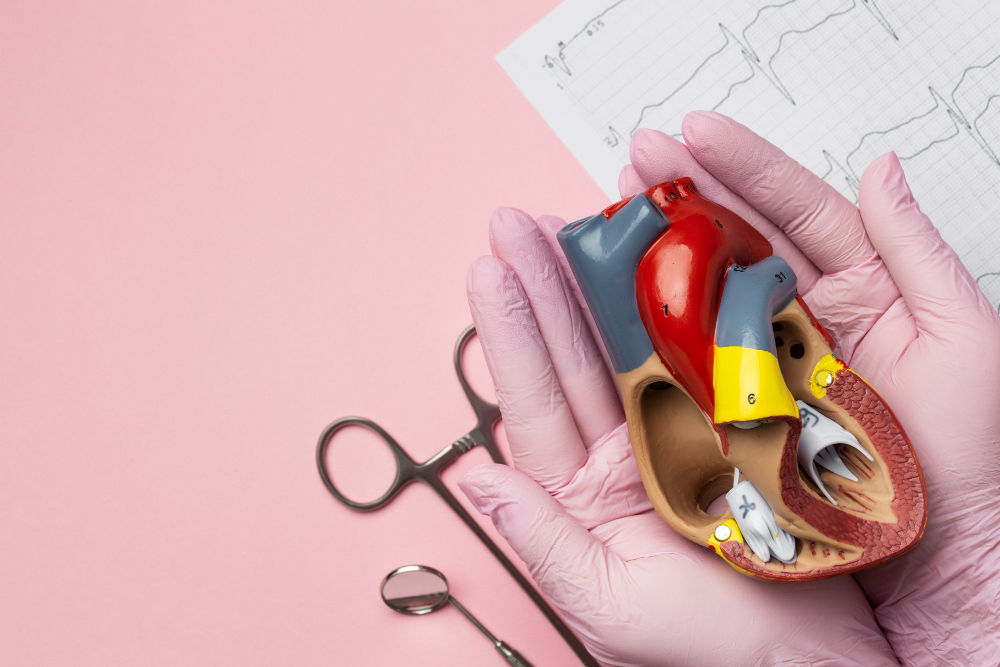
Heart valve replacement is a surgery to fix or replace a damaged heart valve. The heart has four valves that help blood flow in the right direction. When a valve does not work well, it can cause serious health problems. Sometimes, doctors need to replace the valve to help the heart work better. This surgery can save lives and improve quality of life. Many people wonder who needs valve replacement and what signs to look for. Understanding the basics can help you make informed choices about your heart health.
Who Needs Valve Replacement?
Not everyone with a heart valve problem needs surgery. However, some people may need valve replacement to stay healthy. Doctors look at symptoms, test results, and risk factors to decide.
Doctors decide if you need valve replacement by checking your symptoms, test results, and overall health. If your valve problem is severe or causing symptoms, surgery may be needed. Sometimes, even people without symptoms need surgery if tests show the heart is getting weaker.
Causes of Heart Valve Problems
Heart valve problems can happen for many reasons. Some people are born with valve defects. Others develop problems later in life. Common causes include:
Because these causes can affect anyone, it is important to know the symptoms of heart valve disease. Early treatment can prevent serious problems.
Diagnosis: How Doctors Identify Valve Issues
Doctors use several tests to find heart valve problems. First, they listen to your heart with a stethoscope. If they hear a murmur or unusual sound, they may order more tests. Common tests include:
After these tests, your doctor will explain if you have valve disease and discuss treatment options for valve problems.
Treatment Options: When Is Valve Replacement Necessary?
There are several ways to treat heart valve disease. Sometimes, medicines can help control symptoms. However, if the valve is badly damaged, valve replacement may be the best choice. Doctors may suggest surgery if:
Valve replacement can be done with open-heart surgery or less invasive methods. Your doctor will choose the best option for you. In some cases, people travel for valve replacement in major cities to get expert care.
Recovery and Lifestyle After Valve Replacement
After valve replacement, most people feel better and can return to normal activities. Recovery time depends on your health and the type of surgery. Usually, you will stay in the hospital for a few days. At home, you may need to:
With good care, many people live long, healthy lives after valve replacement. Still, regular check-ups are important to watch for any new problems.
Prevention and Heart Health Tips
While not all valve problems can be prevented, you can lower your risk. Try these tips to keep your heart healthy:
Because early action matters, talk to your doctor if you notice any symptoms of heart valve disease.
Consult a cardiologist at Sunshine Healthcare to find out if valve replacement is right for you.